What foil assist actually changes: repetitions
Most foilers don't run out of energy because riding is hard. They run out because getting up is hard. Paddling into a wave, pumping onto a bump or waiting for a gust uses most of a session's energy, and the riding itself is the short reward at the end.
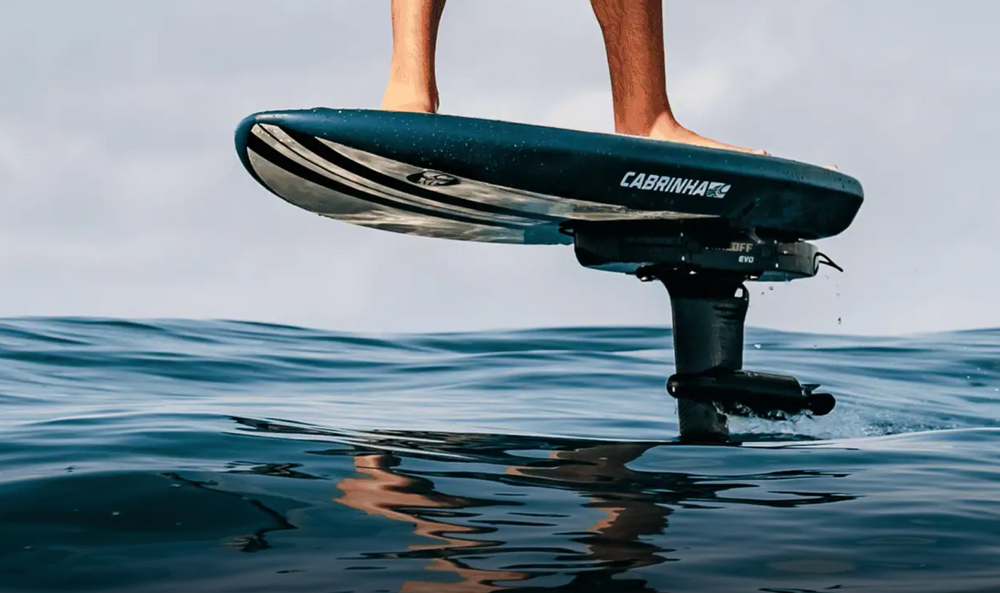
Foil assist flips that ratio. You use a few seconds of motor to get up and flying, then switch off and ride the wave, swell or bump unassisted. When the ride ends, you motor back up again instead of paddling, swimming or waiting.
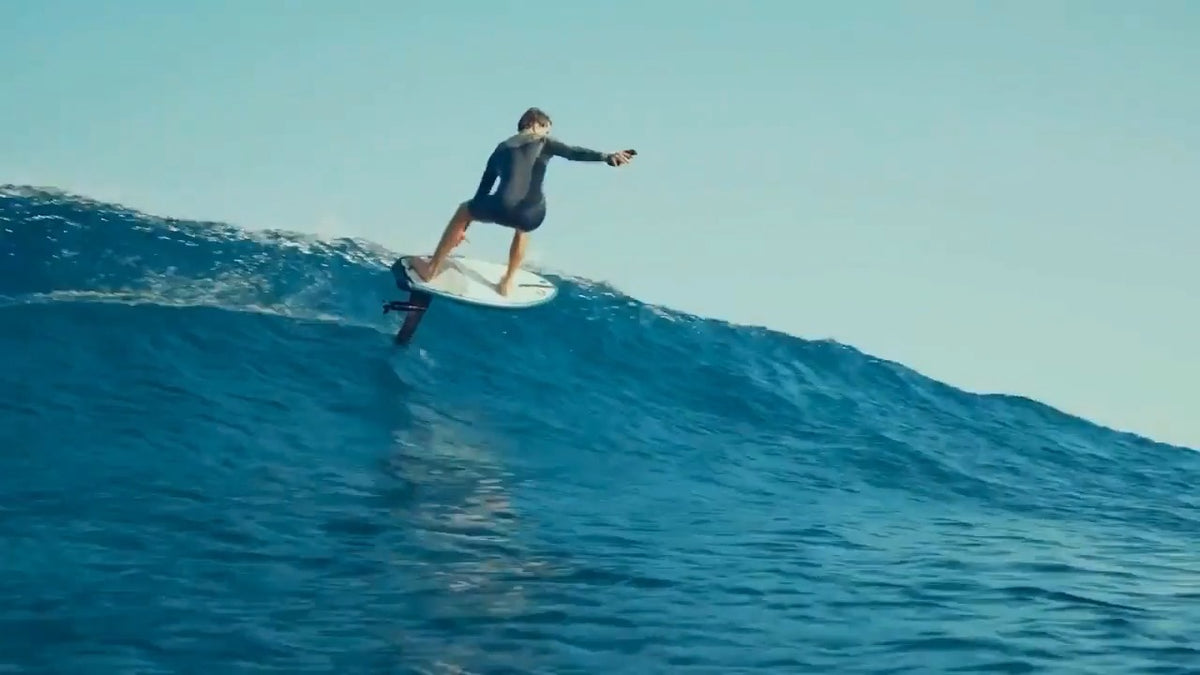
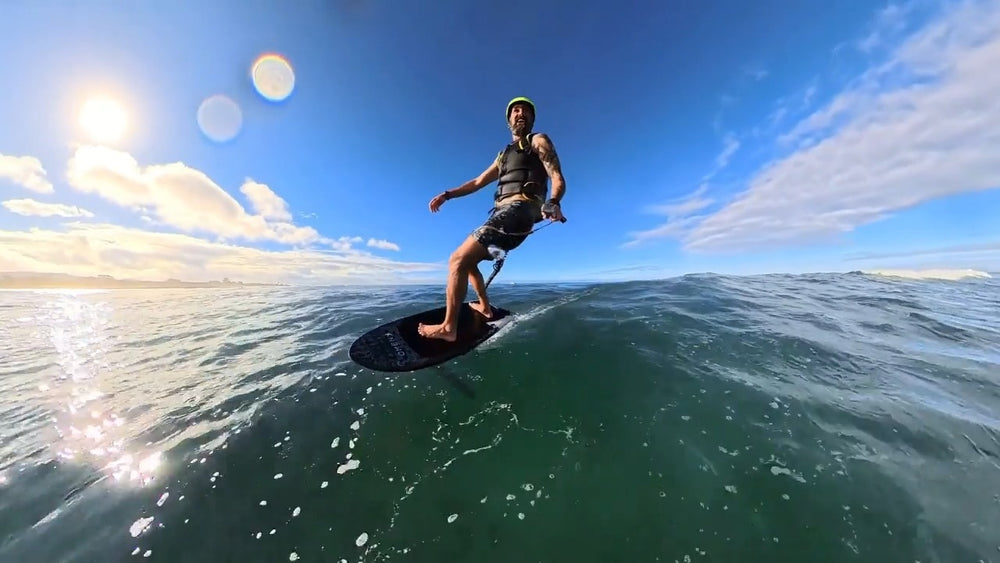
That's why riders talk about waves and bumps in a different order of magnitude. In prone foiling, Jeff used to get 5-7 waves unpowered in an hour, or maybe 10 on a great session. With foil assist, he easily gets 20 in 45 minutes, and the limit becomes battery and legs, not paddling. On open-ocean wind swell, where the bumps are small but endless, linking from one to the next means riders count rides in the hundreds rather than the tens.
More repetitions is the real benefit. Every take-off, turn, pump and link is practice. A rider who gets 200 bumps in a session improves far faster than one who gets 15.
Who should try foil assist
Prone foilers short on waves
If your local break only produces a few rideable waves an hour, or the good ones get taken by longboards, foil assist lets you ride the smaller, softer swells that never break. You get up on bumps out the back, well away from the peak, and ride them for far longer than the paddle-in would allow.
Downwind foilers who struggle with the start
On a downwind foil run, the hardest part is getting up the first time and getting up again after a fall. Foil assist makes both a few seconds of motor. You spend less energy on pump foil starts, so more goes into reading swell and linking bumps. It also opens downwinders to riders who aren't yet fit enough to make every start by pumping.
Wing foilers who lose light-wind days
In light wind, many wing sessions become mostly pumping. Foil assist gets you up in the lulls and lets you keep riding swell when the wind drops, rather than ending the session. New to winging? Read our introduction to wing foiling.
SUP foilers
Getting a SUP foil onto small bumps and wind swell takes a lot of paddle power. A short motor boost takes the strain out of it and gives you many more attempts per session.
Riders with limited time, or limited energy
If you get one hour on the water before work, you want that hour flying, not paddling. The same goes for older riders, riders coming back from injury, and anyone whose shoulders don't love endless paddle-ins.
Riders who want to try a new discipline
If you prone foil and fancy downwinding, or you wing and want to try prone, foil assist shortens the gap. You can practice the new discipline's riding before you've mastered its take-off.
Learning to foil with foil assist
Newer foilers
Foil assist shortens the frustrating early stage, and it's a great tool for lessons. It does add a motor, a propeller and a throttle to the learning curve, so if you can't yet ride a foil steadily, start with a lesson rather than on your own. Our guide to how hard it is to learn foiling is a good place to start.
Complete beginners
If you've never foiled, foil assist is a great way to start, ideally in a lesson. First-timers can use a bigger board, with real-time advice from an instructor. Jeff, who runs Pakaʻa and teaches foil assist lessons on Kauaʻi, says it "works awesome" for learning to foil, because there's less tendency to lean, and there's no power as soon as you get 23 inches out of the water. To arrange a lesson on Kauaʻi, text 808-278-0650.
Who it isn't for
- Riders who want to motor around all session. A foil assist is built for take-offs and boosts. For continuous powered riding, read our foil assist vs eFoil comparison.
- Crowded breaks where a motor isn't welcome. Some spots have rules or a strong local view on motors. Our foil assist etiquette guide covers where and how to ride considerately.
The learning period: what to expect
Foil assist is not instant. Expect a short learning curve before the motor fades into the background and the extra rides start to add up.
What you're learning:
- Throttle control on take-off. Smooth power, not full power. Too much and you breach or nose-dive.
- When to switch off. The skill is cutting the motor at the right moment and riding the energy in the water.
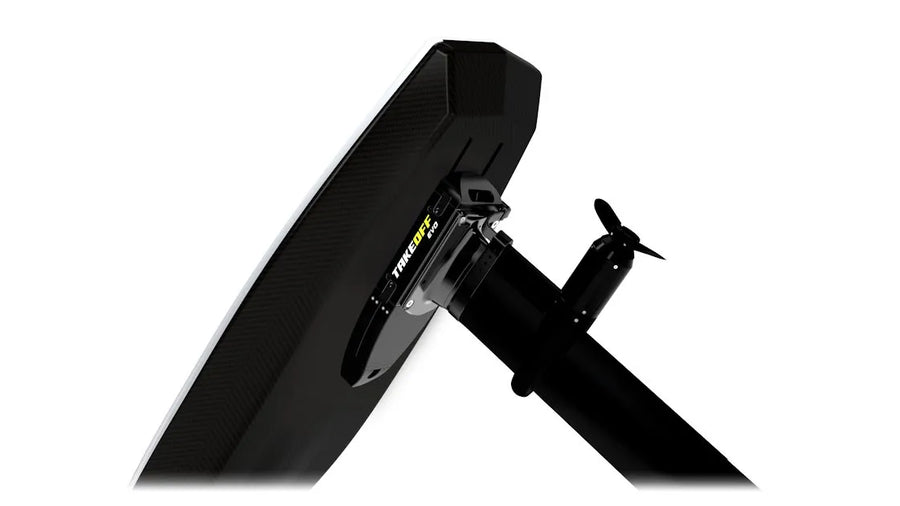
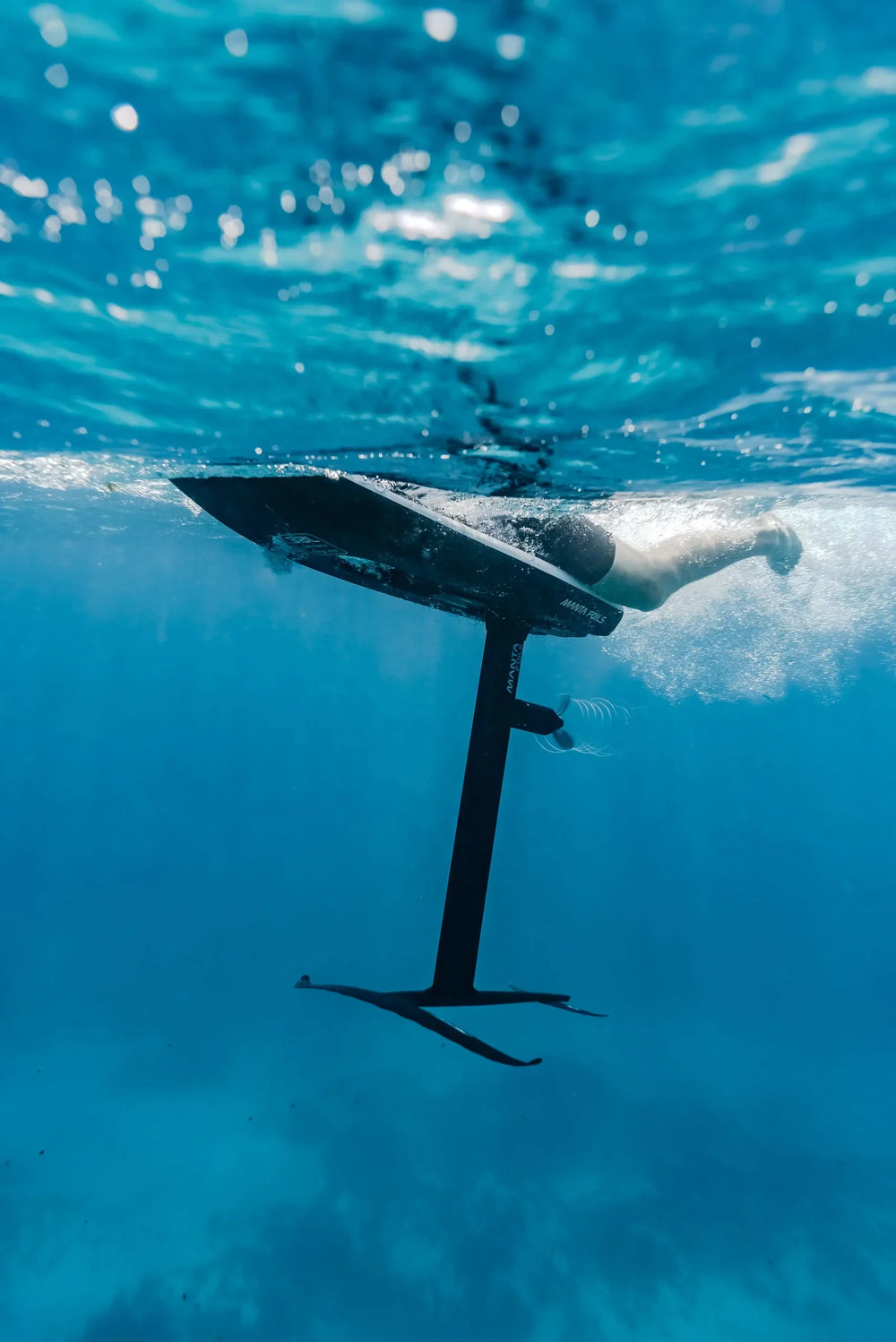
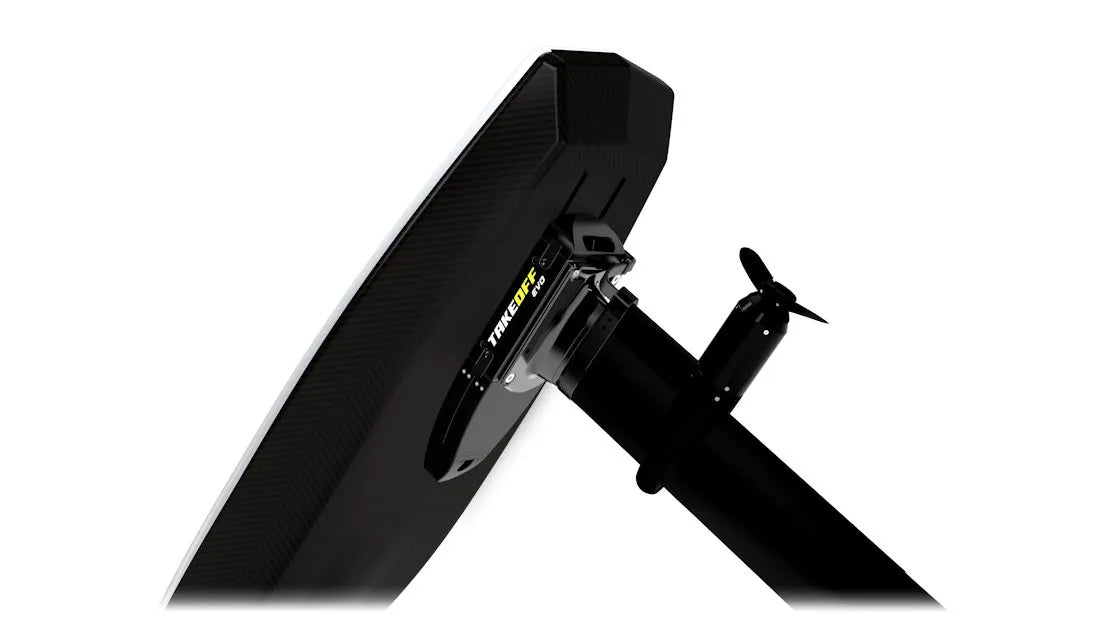
- Riding with the motor off. The prop and pod add a little drag. Manta's folding prop folds back when you let go of the trigger, which keeps drag down. You adjust your pumping slightly.
- Getting back up quickly. Fast, clean restarts are what turn a few rides into hundreds.
- Managing the battery. Learning how many take-offs you get per charge, so you aren't left paddling home. Manta rates one Air battery at 15 to 20 minutes of continuous motor time and an Endurance battery at 45 to 50 minutes; take-offs per charge depend on how long each boost lasts.
How long it takes: most riders who already foil feel comfortable within a few sessions. The big jump in rides per session tends to come once restarts become automatic.
Safety first: a spinning propeller and other water users don't mix. Wear a leash, keep the motor off near people, and follow local rules. On the Manta TakeOff Evo, letting go of the trigger stops the motor and the remote locks itself. Manta also recommends a buoyancy aid. In Hawaii, a board with foil assist counts as a motorboat, so slow-no-wake speed (about 5 mph) applies within 200 ft of the shoreline and swimmers.
How foil assist fits a multidisciplinary approach
Many of the best foilers don't stick to one discipline. They prone on swell days, wing on windy days and downwind when the trade winds line up. Each discipline sharpens a different skill, and they all feed each other.
| Discipline | What foil assist adds | Skill that carries over |
|---|---|---|
| Prone | Rides on swells that never break, fast restarts out the back | Reading swell, wave selection |
| Downwind | Easy first start and restarts after falls | Linking bumps, endurance |
| Wing | Riding through lulls and dropping wind | Board control, carving |
| SUP | Many more attempts on small bumps | Balance, paddle-to-foil transition |
| Flat-water pumping | A way up without a dock start | Pumping efficiency |
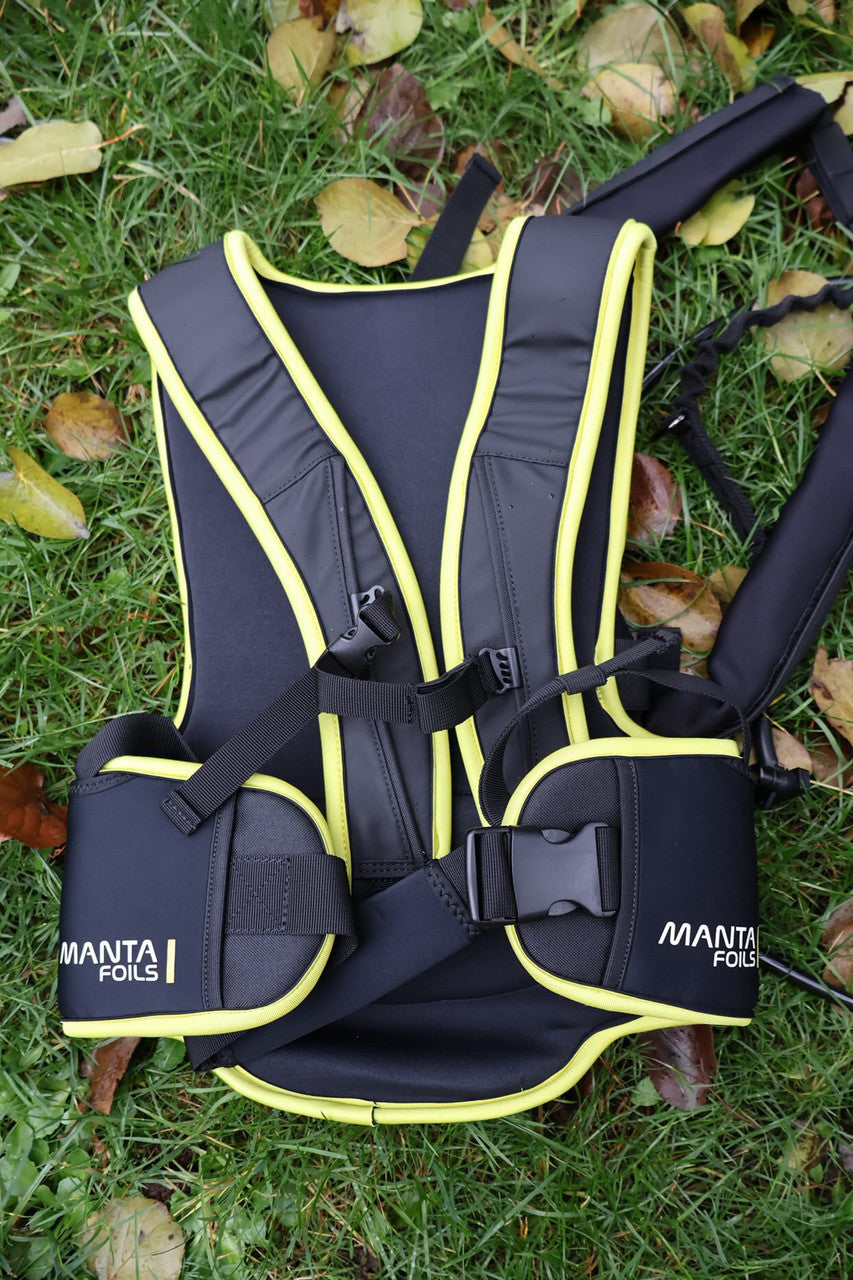
One kit, many boards. A multidisciplinary rider usually owns several boards. A foil assist that can move between them, and between riding styles, is worth more than one tied to a single setup. That flexibility is one of the reasons we chose the Manta TakeOff Evo. The other is power: at 3,500 W, it has the highest-rated motor of any commercial foil assist right now. The battery can sit on the board or be worn in the Manta Backpack, and we sell and support both setups, shipping from Charleston, South Carolina. Our guide on where to put the weight of your foil assist explains the difference on the water. Read more in Why We Chose Manta.
More days on the water. With foil assist, a flat, windless or messy day can still be a useful session in another discipline. Fewer wasted days means faster progress across all of them.
Skills transfer faster. Hundreds of bumps on a downwinder teach you to read moving water. That makes you a better prone rider. Linking swell on prone teaches you pumping efficiency. That makes your wing sessions in light wind longer. Foil assist speeds up the whole loop by giving you more repetitions in each.
Is foil assist right for you? A quick check
Foil assist will probably suit you if most of these are true:
- You already ride a foil, or you want to learn in a lesson.
- Your sessions are limited by paddling, pumping, waiting or energy rather than by riding.
- You ride more than one discipline, or want to.
- You'd rather have 100 rides in an hour than 10.
Not sure? Tell us how and where you ride, and we'll give you a straight answer, even if that answer is "not yet". Text us on 808-278-0650 (text is best). We also run foil assist lessons on Kauaʻi, so you can try it first.
Explore Manta foil assist at Pakaʻa Foil →
Questions riders ask
Is foil assist good for beginners?
Yes. Foil assist is great for lessons and a great way to start foiling. A bigger board, real-time advice from an instructor and a few seconds of motor get you flying sooner. Jeff offers foil assist lessons on Kauaʻi; text 808-278-0650 to arrange one.
How many waves can you catch with a foil assist?
It depends on conditions, battery and fitness. Jeff, who runs Pakaʻa on Kauaʻi, used to get 5-7 prone waves unpowered in an hour, or maybe 10 on a great session. With foil assist, he easily gets 20 waves in a 45-minute session. On open-ocean swell, linking bumps can mean hundreds of rides.
How long does it take to learn foil assist?
If you already foil, expect a few sessions to get comfortable with throttle control and restarts.
Can one foil assist work for wing, prone and downwind?
Yes, if the system's mounting suits your boards. Check compatibility with your mast and boards before you buy. Manta's universal pod is designed to fit most foil brands' masts.